





FSSAI Takes Action Against Major E-commerce Platforms
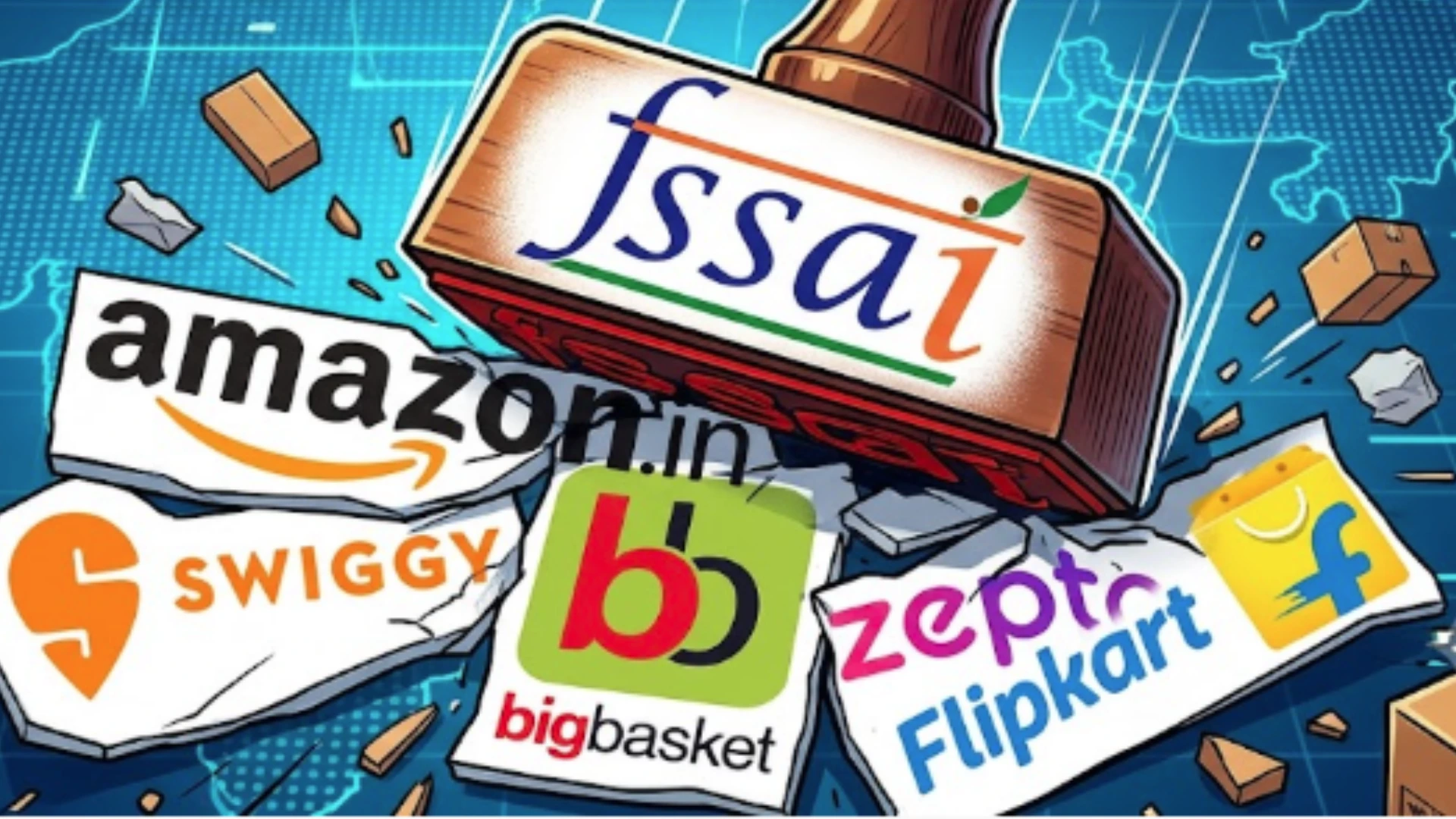
India’s food safety regulator, the Food Safety and Standards Authority of India (FSSAI), has initiated penal action against several major e-commerce platforms over alleged regulatory non-compliances.
The platforms named by the regulator include Amazon, Swiggy Instamart, BigBasket, Flipkart India and Zepto.
According to FSSAI, the identified issues include misbranding, misleading claims and the sale or display of prohibited or poisonous food articles.
The latest action highlights the increasing regulatory scrutiny of online platforms that sell and deliver food products to consumers.
🏢 Which E-commerce Companies Are Under FSSAI Action?
The food regulator specifically identified several major players in India’s e-commerce and quick-commerce ecosystem.
These include:
- Amazon
- Swiggy Instamart
- BigBasket
- Flipkart India
- Zepto
These platforms collectively offer a large range of packaged foods, beverages, groceries, supplements and other food-related products to consumers.
As online food sales continue to expand, compliance with India’s food safety and labelling requirements has become increasingly important.
⚠️ What Are the Alleged Non-Compliances?
FSSAI said that the enforcement action relates to multiple types of regulatory non-compliance.
1. Misbranding
Misbranding generally relates to food products whose labelling or presentation does not comply with applicable food safety requirements.
Incorrect or inadequate information on food packaging can potentially make it difficult for consumers to understand what they are purchasing.
2. Misleading Claims
The regulator also identified misleading claims among the concerns.
Food products sold online may contain claims relating to nutrition, health benefits, ingredients or other characteristics. Such claims are subject to regulatory requirements.
3. Prohibited Food Products
FSSAI also cited the sale or display of prohibited or poisonous food articles as part of the non-compliances identified during its enforcement activities.
The latest action indicates that regulatory authorities are also paying attention to products displayed through online marketplaces and quick-commerce platforms.
🛒 Why Are E-commerce Platforms Facing Greater Scrutiny?
The way consumers purchase food in India has changed significantly with the growth of online marketplaces and quick-commerce services.
Consumers can now order groceries and food products within minutes through digital platforms.
This creates an additional compliance challenge because platforms may list thousands of products supplied by different sellers, manufacturers and distributors.
Regulatory oversight therefore involves not only traditional food businesses but also the digital channels through which food products reach consumers.
📱 FSSAI Increasing Enforcement Activities
According to the regulator, enforcement actions against Food Business Operators (FBOs) and e-commerce companies have increased over the last six months.
FSSAI has also been using social media platforms to communicate information about its enforcement activities to consumers.
This approach allows the regulator to publicly highlight food safety concerns and increase consumer awareness.
🔎 What Does This Mean for Online Food Sellers?
The development is particularly relevant for businesses that sell food products through online marketplaces.
Manufacturers, brands, distributors and sellers operating through e-commerce platforms need to pay close attention to:
- FSSAI licensing requirements
- Product labelling
- Ingredient declarations
- Nutritional information
- Health and nutritional claims
- Product category restrictions
- Packaging compliance
- Manufacturing and expiry information
- Marketplace product listings
For food businesses, compliance is important not only on the physical product packaging but also in the information presented on digital product pages.
📦 Importance of Product Listings and Packaging
Online marketplaces often display product information separately from the physical packaging.
Product titles, descriptions, images, claims and other information can influence how consumers perceive a product.
Therefore, food businesses selling online need to ensure that the information provided on marketplace listings is consistent with applicable regulations and does not create misleading impressions.
The latest FSSAI action serves as a reminder that digital product listings can also become an important part of food-safety compliance.
🏪 Impact on E-commerce and Quick-Commerce Industry
The action could have wider implications for India’s rapidly expanding quick-commerce and e-commerce sector.
Companies operating online marketplaces may need to strengthen their systems for monitoring products listed by sellers and identifying potentially non-compliant items.
This could involve greater attention to:
- Seller verification
- Product documentation
- FSSAI licence information
- Product descriptions
- Food safety claims
- Restricted products
- Packaging information
- Consumer complaints
For consumers, stronger monitoring can also improve transparency around the food products available through digital platforms.
👨👩👧 What Consumers Should Check Before Buying Food Online
Consumers can also take some basic precautions when purchasing food products through e-commerce platforms.
Before placing an order, buyers should check:
FSSAI Information:
Look for relevant FSSAI licensing or registration details where applicable.
Expiry Date:
Check the product’s manufacturing and expiry information.
Ingredients:
Review the ingredient list, particularly if you have specific dietary requirements.
Nutrition Information:
Look at nutritional information provided on the product packaging.
Product Claims:
Be cautious about exaggerated health or nutritional claims.
Packaging:
Check the physical product after delivery to ensure the packaging is intact and properly labelled.
📈 Why This Development Matters for India’s Food Industry
India’s food and grocery sector is increasingly moving towards digital commerce.
As more consumers purchase packaged food and groceries online, regulatory compliance becomes an important part of the digital food ecosystem.
The latest FSSAI action demonstrates that food safety regulations apply across the supply chain and that online channels are also receiving regulatory attention.
For businesses, maintaining accurate documentation, compliant packaging and appropriate product information can become increasingly important as enforcement activity expands.
🔮 What Could Happen Next?
The latest enforcement action could encourage e-commerce and quick-commerce platforms to review their food product compliance systems.
Marketplaces may need to work more closely with sellers, manufacturers and regulators to ensure that products listed on their platforms meet applicable food safety requirements.
At the same time, food brands selling online may face greater pressure to maintain accurate product information and ensure that their packaging and digital listings comply with regulations.
The exact consequences for individual platforms and sellers will depend on the findings and regulatory proceedings associated with each case.
📌 Conclusion
The FSSAI’s penal action against Amazon, Swiggy Instamart, BigBasket, Flipkart India and Zepto highlights the growing regulatory focus on food products sold through digital platforms.
The regulator cited concerns including misbranding, misleading claims and the sale or display of prohibited or poisonous food articles.
With online grocery and quick-commerce services becoming an increasingly important part of India’s food retail ecosystem, compliance with food safety and labelling requirements is becoming more significant for both platforms and sellers.
The latest enforcement drive also reinforces the importance of transparent product information and responsible food selling practices in India’s rapidly evolving digital marketplace.