





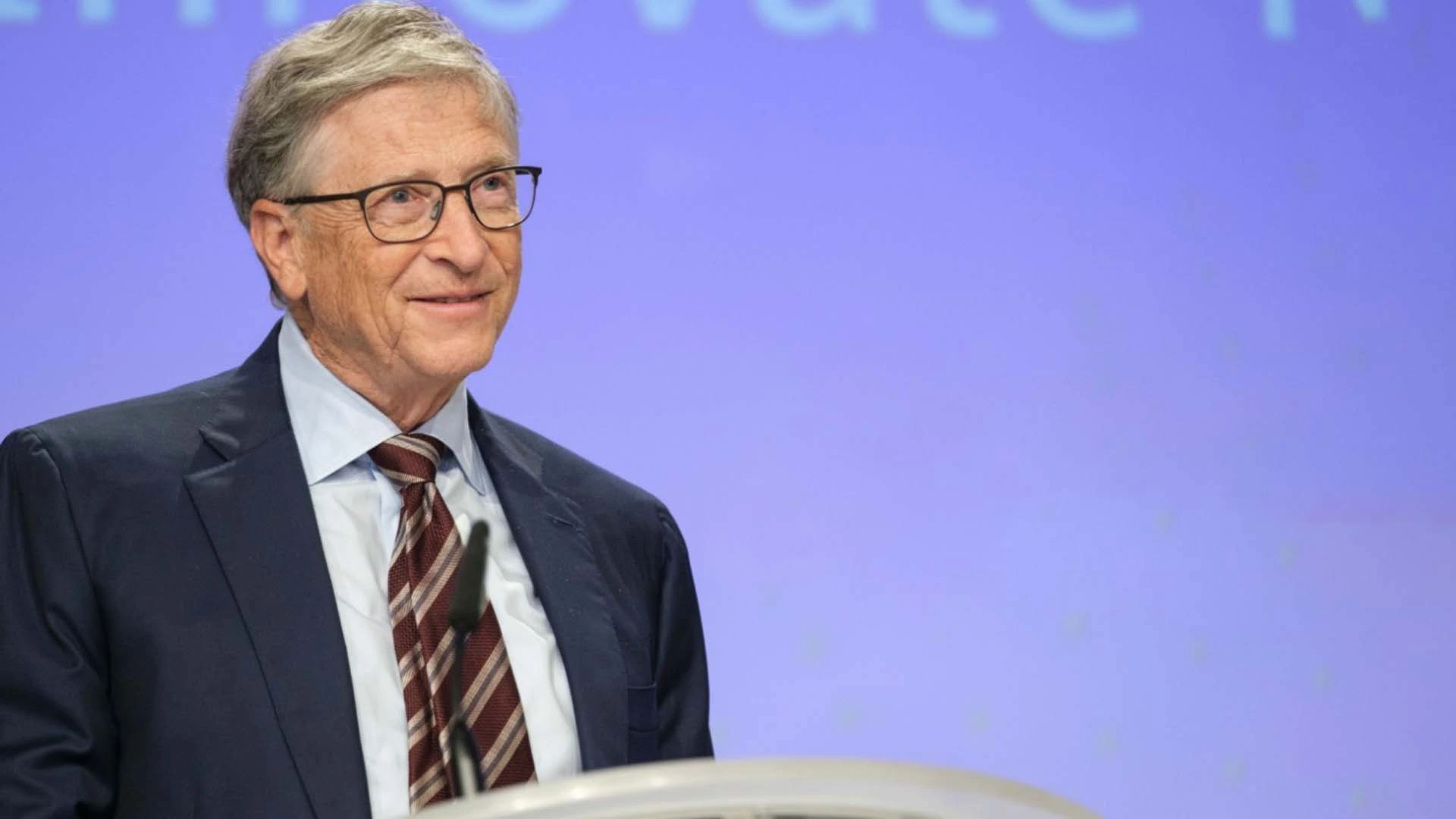
Bill Gates’ Sudden Exit From India’s AI Summit Sparks Debate
Bill Gates’ sudden withdrawal from Prime Minister Narendra Modi’s AI Impact Summit has raised widespread questions across global media. The Microsoft co-founder was scheduled to deliver a keynote address at the high-profile India AI Summit in New Delhi. However, just hours before the event, Gates cancelled his appearance.
The unexpected decision quickly shifted attention away from artificial intelligence and toward a renewed controversy involving Gates’ past association with Jeffrey Epstein.
What Was the India AI Impact Summit?
The Modi AI Summit was positioned as a landmark global event focused on responsible artificial intelligence, digital innovation, and India’s growing leadership in the AI sector. With international policymakers, tech CEOs, and global institutions participating, the summit aimed to showcase India’s AI roadmap and collaborative ambitions.
Bill Gates’ presence was expected to add global credibility and attract significant international attention.
Why Did Bill Gates Cancel His Keynote?
According to a statement from the Gates Foundation, the decision to withdraw was made to ensure that the focus remained on the summit’s key priorities. While the statement did not elaborate further, the timing of the withdrawal raised questions.
The cancellation came amid renewed global scrutiny following the release of additional documents related to Jeffrey Epstein. These files reignited media discussions about several prominent individuals who had past associations with Epstein — including Gates.
The Epstein Link: Why It Matters
Jeffrey Epstein, a convicted sex offender, had connections with influential figures across politics, finance, and technology. Bill Gates has previously acknowledged meeting Epstein and described it as a mistake in judgment. However, he has consistently denied any wrongdoing.
The resurfacing of Epstein-related documents created heightened media attention just before the AI summit. In such circumstances, public appearances can become sensitive, especially at internationally televised government events.
While no new allegations have been made against Gates, the renewed spotlight may have influenced the decision to step back from the summit stage.
Reputation, Optics, and Strategic Decisions
In high-profile global forums like the India AI Impact Summit, optics play a critical role. Even indirect controversies can dominate headlines and distract from the event’s core objectives.
Gates’ withdrawal may have been a strategic move aimed at preventing the summit from being overshadowed by unrelated debates. Instead of discussions around AI regulation, innovation, and digital cooperation, the focus risked shifting entirely toward the Epstein controversy.
For both the event organizers and Gates’ team, maintaining narrative control would have been a priority.
Impact on Modi’s AI Summit
Despite the controversy, the AI summit continued with other global leaders and industry experts participating in discussions on artificial intelligence policy, AI governance, and emerging technologies.
However, Bill Gates’ absence became one of the most widely discussed aspects of the event, highlighting how quickly global summits can be affected by developments outside their core agenda.
Conclusion: A Story Beyond Artificial Intelligence
Bill Gates’ withdrawal from Modi’s AI Summit underscores how reputation management and media narratives influence global events. While the official explanation emphasized keeping focus on AI priorities, the timing alongside renewed Epstein file scrutiny inevitably raised questions.
As artificial intelligence continues to shape global economies, leadership forums like India’s AI Summit remain crucial. Yet this episode serves as a reminder that in today’s digital age, public perception can shift attention just as powerfully as policy decisions.