





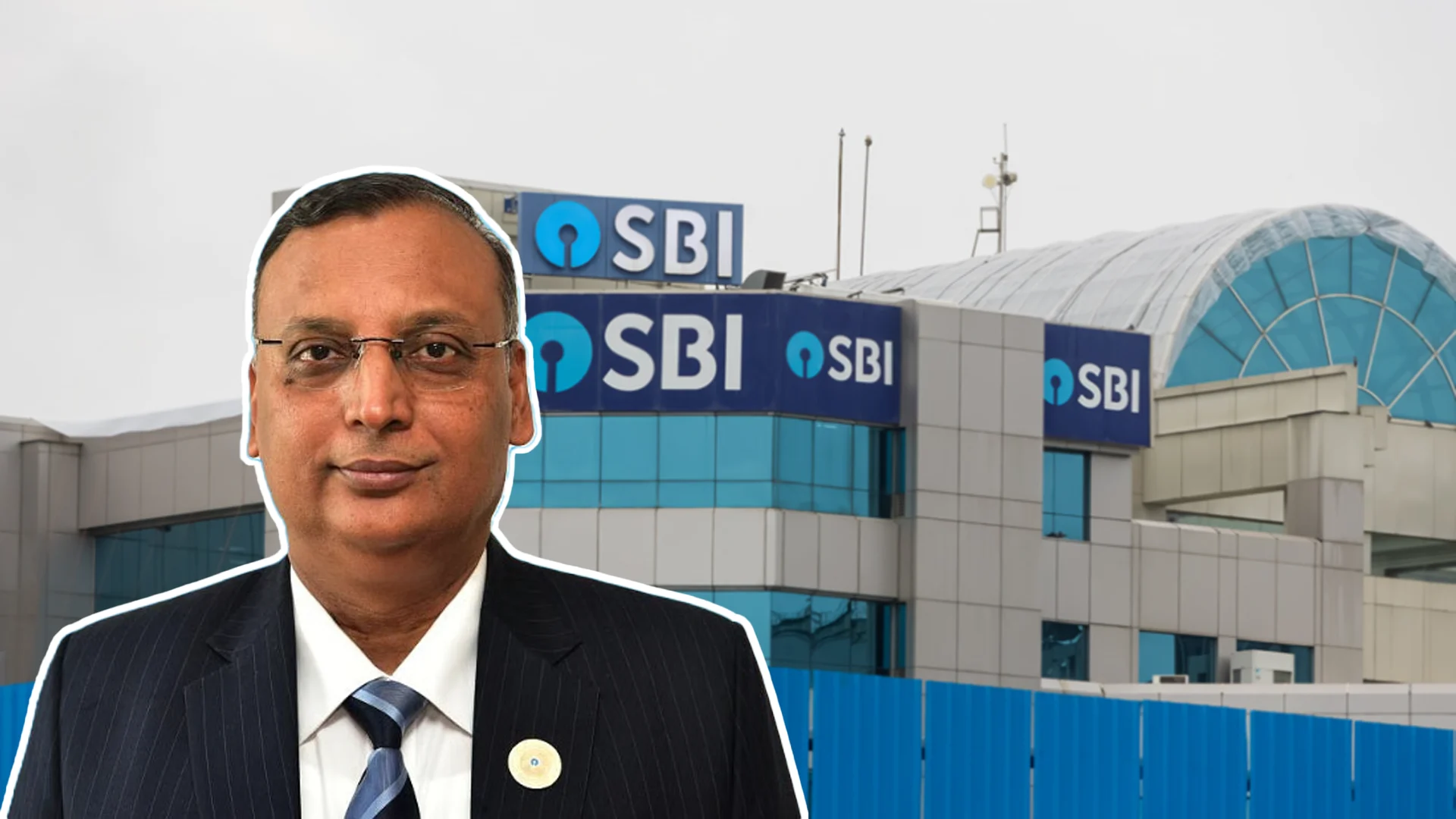
In a significant push towards strengthening India’s entrepreneurial backbone, State Bank of India (SBI) has intensified its participation in startup-focused investment funds. The move is aimed at reinforcing the MSME ecosystem while ensuring alignment with regulatory lending mandates.
According to SBI Managing Director Ravi Ranjan, the bank is not merely funding businesses but building a structured financial bridge between startups and small enterprises across the country.
A Strategic Shift: Backing Funds, Not Just Firms
Instead of directly taking equity positions in startups, SBI is deploying capital into Alternative Investment Funds (AIFs) that specialize in early- and growth-stage companies. By doing so, the bank reduces exposure risk while supporting professionally managed investment vehicles that identify scalable ventures.
This model enables SBI to stay rooted in traditional banking while gaining strategic access to India’s innovation economy.
Linking Startups with MSMEs
India’s MSMEs contribute significantly to employment and GDP, yet many lack access to advanced technology and structured growth capital. Startups, on the other hand, are technology-driven and agile but often require strong financial backing.
SBI’s approach seeks to integrate these two segments — encouraging collaboration in supply chains, digital transformation, and operational efficiency. The objective is to create a mutually reinforcing ecosystem rather than isolated growth pockets.
Aligning With Priority Sector Commitments
The bank’s initiative also supports its obligations under Priority Sector Lending (PSL) norms. By backing funds that invest in eligible sectors, SBI ensures compliance while expanding impact.
Ravi Ranjan emphasized that the bank is consciously working to uphold its development-oriented mandate, particularly in regions where capital access remains uneven.
Hub-and-Spoke Model Expands Reach
To deliver structured support beyond metro cities, SBI operates a hub-and-spoke framework:
- Centralized expertise in major hubs
- Distributed branch networks serving peripheral and semi-urban markets
This structure allows the bank to combine strategic oversight with local accessibility — a crucial factor in nurturing grassroots entrepreneurship.
A Broader Signal to the Market
SBI’s growing engagement with startup-focused funds signals a shift in how traditional banks are interacting with the innovation sector. Rather than competing with venture capital, public sector institutions are increasingly positioning themselves as ecosystem enablers.
As India continues to witness rapid growth in sectors like fintech, aggrotech, and manufacturing-tech, SBI’s capital deployment strategy could play a catalytic role in driving inclusive and regionally balanced economic expansion.