





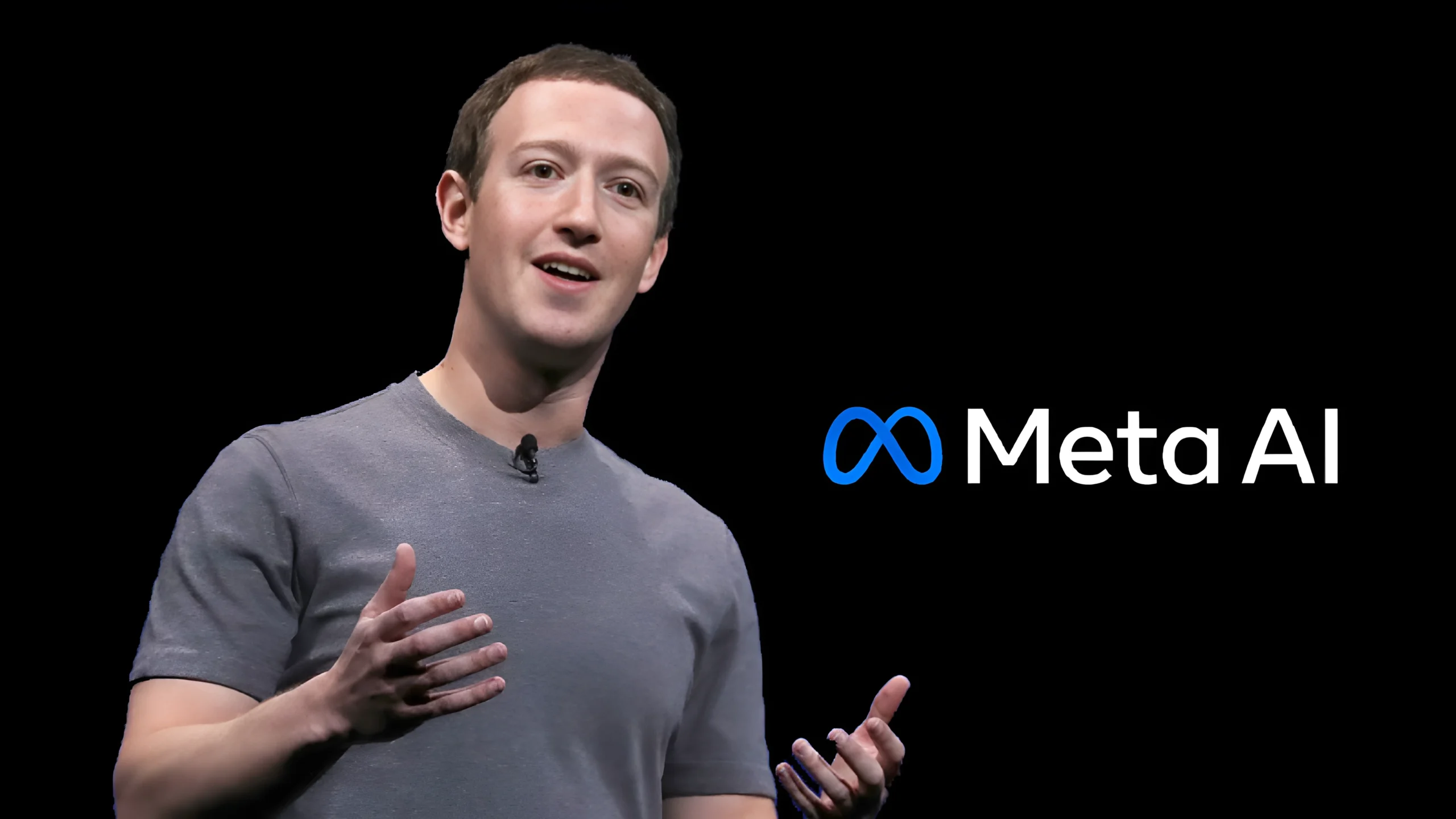
For the past few years, Meta has been at the center of one of the biggest tech narratives — the metaverse. CEO Mark Zuckerberg even rebranded Facebook to Meta to reflect this vision of a virtual future.
However, in 2026, the conversation has clearly shifted. Now, Meta is investing aggressively in artificial intelligence (AI), raising questions about whether the company is moving away from the metaverse.
So what’s really happening? Is the metaverse over, or is Meta simply evolving its strategy?
The $80 Billion Bet on the Metaverse
Meta’s commitment to the metaverse has been massive. Through its Reality Labs division, the company has invested more than $80 billion in building virtual and augmented reality technologies.
In 2025 alone, Reality Labs reported losses of over $19 billion, making it one of the most expensive bets in tech history.
However, these losses are not just about virtual worlds like Horizon Worlds. A large portion of this investment has gone into:
- Research and development
- Hardware innovation
- Building future computing platforms
👉 This means Meta is still deeply invested in long-term technology, not just short-term products.
What Reality Labs Really Builds
Many people think Reality Labs only focuses on the metaverse. In reality, its scope is much broader.
Key innovations include:
- Quest VR headsets – Meta’s flagship virtual reality devices
- Ray-Ban AI smart glasses – A step toward everyday wearable tech
- Future mixed reality devices – Including lightweight AR glasses
Meta is also reportedly working on new glasses that could allow users to stream content and interact with digital environments without traditional screens.
👉 This shows that Reality Labs is actually building the next generation of computing interfaces.
Why the Metaverse Didn’t Take Off
Despite heavy investment, the metaverse has not achieved mass adoption.
Key challenges include:
1. Limited Consumer Interest
Most users are not interested in spending long hours in virtual worlds.
2. Hardware Barriers
VR headsets are still:
- Expensive
- Bulky
- Not comfortable for daily use
3. Lack of Practical Use Cases
Outside gaming and niche applications, real-world use cases remain limited.
4. Social Adoption Gap
People prefer familiar platforms like mobile apps over immersive environments.
👉 These challenges slowed down the metaverse’s growth significantly.
Meta’s AI Pivot: A Strategic Shift
While the metaverse struggled, AI adoption exploded globally. Meta quickly shifted its focus toward artificial intelligence.
Current AI initiatives at Meta:
- Building advanced AI models and superintelligence systems
- Hiring top AI researchers globally
- Investing billions in data centers and infrastructure
- Integrating AI into Facebook, Instagram, and WhatsApp
AI is already improving:
- Content recommendations
- Advertising performance
- User engagement
👉 Unlike the metaverse, AI delivers immediate business value.
Is Meta Abandoning the Metaverse?
The short answer: No.
Meta argues that the metaverse is evolving, not disappearing.
Instead of focusing only on VR headsets, Meta now sees the metaverse as:
- A multi-device ecosystem
- Accessible via phones, glasses, and AI interfaces
- Integrated into everyday digital experiences
👉 This means the metaverse may still exist—but in a different form.
The Bigger Picture: Control Over Platforms
There is a deeper strategic reason behind Meta’s investments in both AI and the metaverse.
Zuckerberg’s long-term goal:
👉 Own the next computing platform
Currently, Meta depends on:
- Apple (iOS)
- Google (Android)
This limits control over:
- Distribution
- Revenue
- User experience
Meta’s vision:
- Build its own hardware (glasses, VR devices)
- Create its own ecosystem
- Reduce reliance on competitors
👉 Both AI and the metaverse are tools to achieve this goal.
AI vs Metaverse: A Strategic Comparison
| Factor | Metaverse | AI |
| Adoption speed | Slow | Fast |
| User demand | Limited | High |
| Infrastructure need | Heavy hardware | Scalable software |
| Revenue potential | Uncertain | Proven |
| Integration | Standalone | Everywhere |
👉 This explains why Meta is prioritizing AI right now.
The Future of Meta: AI + Devices + Ecosystem
Meta’s future strategy will likely combine:
1. AI-Powered Platforms
Smarter apps, automation, and personalization
2. Wearable Devices
Smart glasses replacing smartphones in the long term
3. Mixed Reality Experiences
Blending digital and physical worlds
👉 Instead of replacing the metaverse, AI may actually enable it.
What This Means for the Tech Industry
Meta’s shift reflects a larger trend across the tech world:
- Companies are prioritizing AI over speculative technologies
- Hardware innovation is becoming more focused on practical use cases
- The next tech battle will be about platform ownership
Competitors like Apple, Google, and Microsoft are also investing heavily in AI and devices.
Conclusion
Meta has not abandoned the metaverse—it has simply shifted its focus toward AI as a more immediate opportunity.
The real story is not about failure. It’s about adaptation.
👉 The metaverse was a long-term vision
👉 AI is a present-day opportunity
And ultimately, both are part of Meta’s bigger ambition—to build the next generation of computing platforms.