





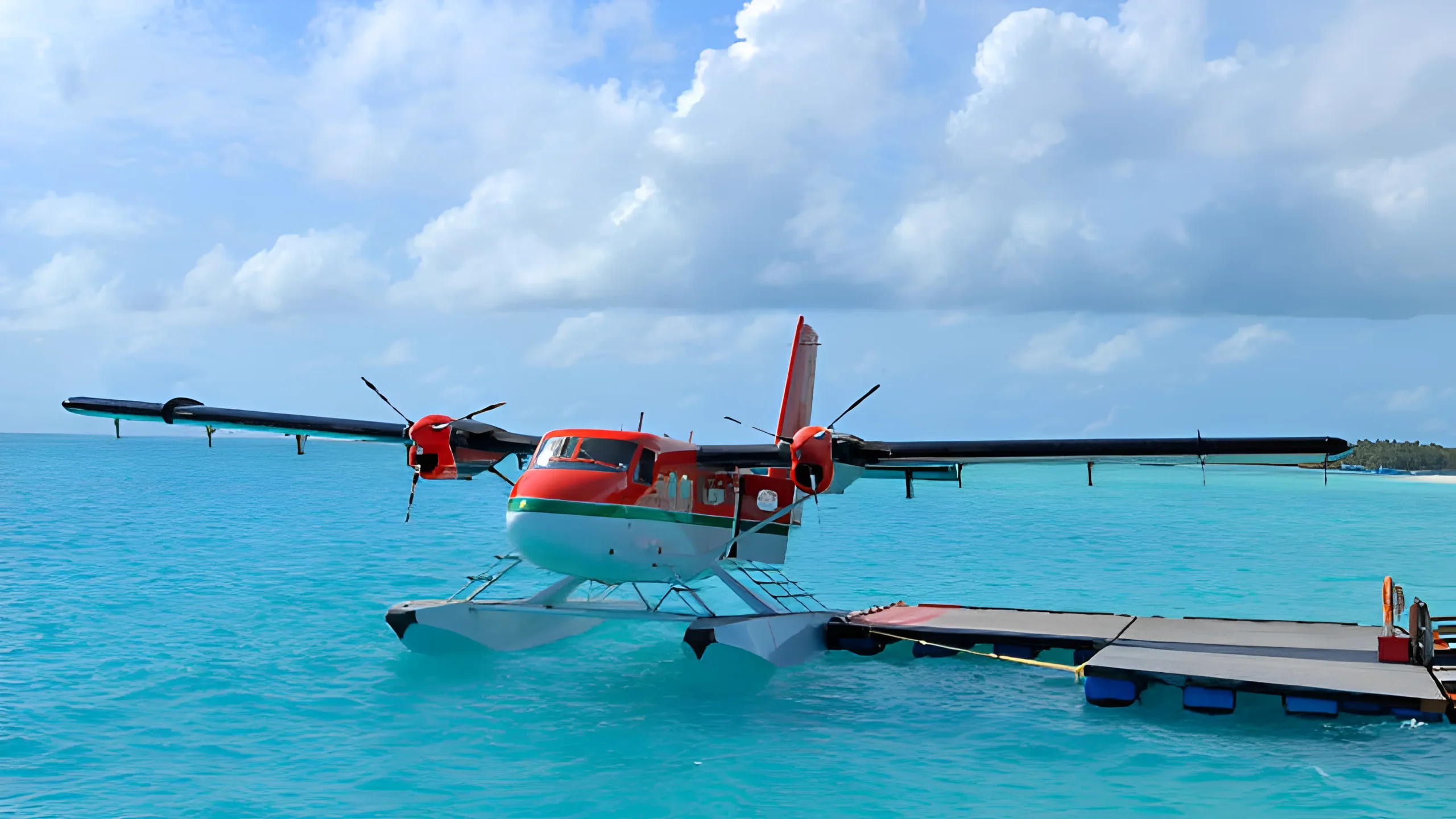
The Government of India has introduced a capital subsidy scheme to support the establishment of sea planes, amphibian tourist vehicles, and aero sports training centres. This initiative aims to promote tourism, strengthen aviation infrastructure, and encourage private investment in innovative transportation and aero sports sectors.
The scheme is part of the government’s broader effort to enhance tourism experiences, improve regional connectivity, and create new business opportunities in the aviation and tourism industries.
Objective of the Capital Subsidy Scheme
The primary goal of the scheme is to encourage entrepreneurs, companies, and investors to develop modern aviation-based tourism infrastructure.
The subsidy focuses on supporting:
Sea plane operations
Amphibian tourist vehicle services
Aero sports centres and training academies
Aviation tourism infrastructure
This initiative will help improve accessibility to remote and tourist destinations.
What Are Sea Planes and Amphibian Tourist Vehicles?
Sea planes and amphibian vehicles are aircraft capable of landing on both water and land. These vehicles are especially useful in regions where traditional airport infrastructure is limited.
They are commonly used for:
Tourism transportation
Island connectivity
Adventure tourism
Remote area access
These services can significantly enhance tourism in coastal and remote regions.
Support for Aero Sports and Training Centres
The subsidy also supports the development of aero sports training centres and academies. Aero sports include activities such as:
Paragliding
Skydiving
Paramotoring
Microlight flying
Gliding
These activities are becoming increasingly popular among adventure tourism enthusiasts.
Training centres will help develop skilled professionals and promote safe aviation practices.
Benefits for Startups and Entrepreneurs
The capital subsidy scheme creates new opportunities for startups and businesses in aviation and tourism sectors.
Key benefits include:
Reduced initial investment costs
Financial support for infrastructure development
Encouragement for private sector participation
New business and investment opportunities
Startups can explore innovative tourism services and aviation-related solutions.
Boost to Tourism and Regional Connectivity
The introduction of sea plane and amphibian services can significantly improve connectivity to remote tourist destinations, islands, and coastal areas.
This will help:
Increase tourist access to new destinations
Promote regional tourism development
Create employment opportunities
Strengthen local economies
The scheme supports India’s vision to expand tourism infrastructure.
Impact on India’s Aviation and Tourism Ecosystem
India’s aviation and tourism sectors are growing rapidly. Government initiatives like this subsidy scheme help accelerate innovation, attract investment, and improve infrastructure.
The scheme is expected to encourage new startups and businesses to enter the aviation tourism and aero sports industry.
This will contribute to economic growth and technological advancement.
Conclusion
The capital subsidy scheme for sea planes, amphibian tourist vehicles, and aero sports training centres represents a significant step toward strengthening India’s tourism and aviation ecosystem. By supporting infrastructure development and encouraging private investment, the government is creating new opportunities for startups, entrepreneurs, and investors.
This initiative will help improve connectivity, promote tourism, and support the growth of innovative aviation services in India.