




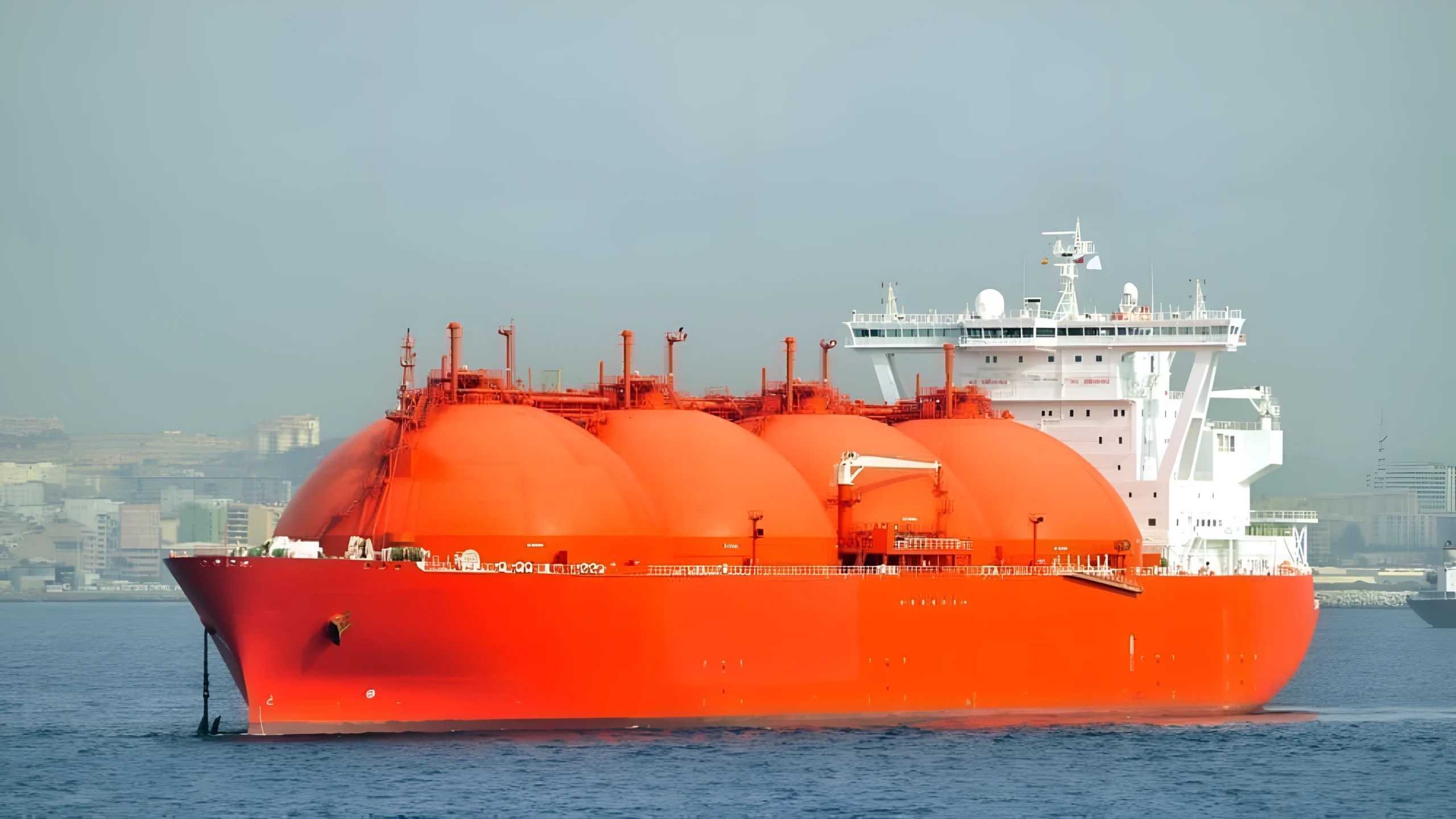
European natural gas markets experienced extreme volatility as prices surged nearly 30% following news that Qatar has halted liquefied natural gas (LNG) production. The disruption from one of the world’s largest LNG exporters has triggered fresh concerns about global energy security and supply stability.
The development comes after an already sharp 40% rally earlier in the week, intensifying pressure on both European and Asian energy markets.
Dutch TTF Futures Spike Sharply
Europe’s benchmark gas contract, the front-month Dutch TTF Natural Gas Futures, rose dramatically at the market open.
- Prices initially jumped as much as 34%
- Gains moderated slightly but remained around 26% higher compared to Monday’s close
- The surge was recorded early Tuesday morning in Amsterdam trading
The Dutch TTF index serves as the primary pricing benchmark for gas trading across Europe, making it a critical indicator of regional supply stress.
Why Qatar’s LNG Halt Matters
Qatar is the world’s second-largest LNG exporter, supplying major energy-importing economies across:
- Europe
- Asia
- South Asia
Any production suspension from Qatar significantly tightens global LNG supply, especially as Europe continues to reduce dependence on Russian pipeline gas.
With LNG playing a central role in Europe’s post-Ukraine-war energy strategy, even temporary supply disruptions can trigger immediate price spikes.
Energy Security Concerns Rise
The halt has reignited fears around:
- Winter supply preparedness
- Industrial gas consumption costs
- Electricity generation expenses
- Inflationary pressures
Asian buyers, particularly in Japan, South Korea, and India, are also closely monitoring the situation as they compete with Europe for LNG cargoes.
If disruptions persist, competition for shipments could intensify, further pushing global spot prices upward.
Impact on Inflation and Industry
Natural gas is a key input for:
- Power generation
- Fertiliser production
- Manufacturing
- Heating
A sustained price surge could:
- Increase electricity bills
- Raise industrial production costs
- Add inflationary pressure in energy-importing nations
European policymakers may face renewed pressure to secure alternative supply contracts or deploy strategic reserves if volatility continues.
Market Outlook
Energy analysts suggest that markets will remain highly sensitive to:
- Updates on Qatar’s production timeline
- Shipping disruptions
- Geopolitical developments
- LNG inventory levels in Europe and Asia
Short-term volatility is likely to remain elevated as traders assess whether the production halt is temporary or prolonged.
Conclusion
The sharp jump in European gas prices underscores how fragile global energy markets remain. Qatar’s LNG production halt has sent shockwaves through benchmark pricing, highlighting the continued importance of stable LNG flows in maintaining global energy security.
With winter demand cycles and geopolitical risks still present, energy markets may continue to face turbulence in the coming weeks.