



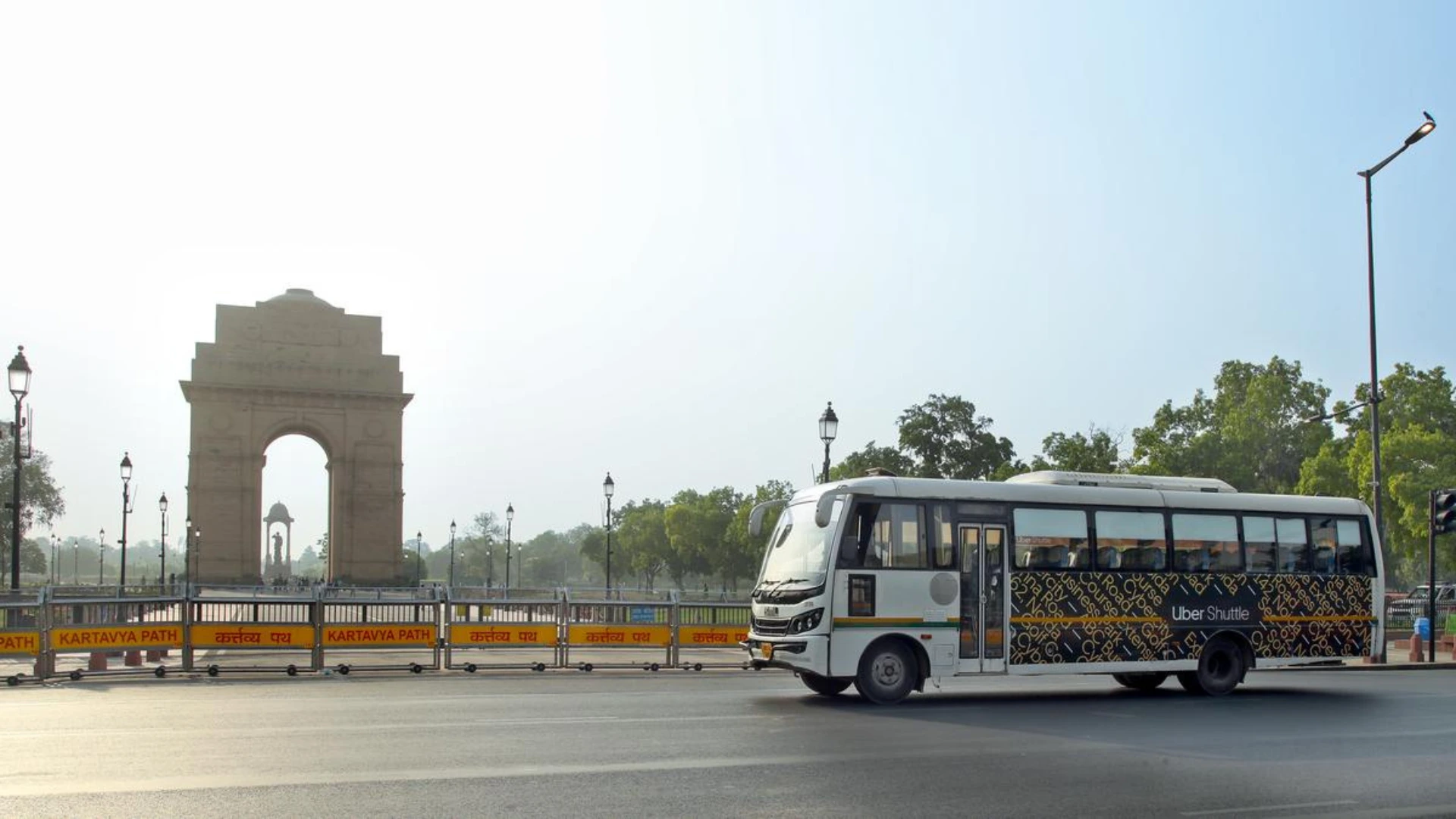
Ride-hailing giant Uber has shut down its Uber Shuttle service in Delhi NCR, marking a strategic shift toward B2B employee transport solutions in India.
The move comes after similar shutdowns in cities like Mumbai and Hyderabad, as the company reevaluates its approach in India’s competitive mobility market.
Why Uber Shut Down Its Shuttle Service
Uber Shuttle was designed as a fixed-route bus service that allowed users to:
- Pre-book seats
- Travel on designated office routes
- Commute between cities like Delhi, Gurugram, and Noida
However, the service faced several challenges:
Low Ridership
Adoption remained limited compared to expectations.
High Operational Costs
Maintaining routes and fleets proved expensive.
These factors made the model unsustainable in the long run.
Shift Toward B2B Employee Transport
Uber is now focusing on corporate transport solutions, a segment it entered earlier this year.
What this means:
- Partnering with companies for employee commute
- Providing structured transport services
- Ensuring predictable demand and revenue
Uber believes the B2B model offers better product-market fit than consumer shuttle services.
What Is B2B Employee Transport?
B2B employee transport involves:
- Dedicated vehicles for corporate staff
- Scheduled pickups and drop-offs
- Managed logistics for companies
Benefits for Uber:
- Stable demand
- Long-term contracts
- Better operational efficiency
This model is more scalable and predictable than B2C shuttle services.
Increasing Competition in India’s Mobility Sector
India’s mobility space is becoming increasingly competitive.
Key trends:
- Entry of new transport startups
- Expansion of existing players
- Growing demand for daily commute solutions
Companies are now focusing on efficiency and profitability, not just growth.
Uber’s Strategy in India
Uber’s decision reflects a broader shift in strategy:
From:
- Experimental consumer services
To:
- Scalable, revenue-driven business models
The company is prioritizing:
- Corporate partnerships
- Cost optimization
- High-demand use cases
Impact on Users
For regular commuters, this means:
- Loss of fixed-route shuttle options
- Greater reliance on ride-hailing or public transport
However, corporate employees may benefit from:
- More structured commute solutions
- Improved reliability
What This Means for the Future of Mobility
Uber’s move signals a larger trend in the industry:
Sustainable business models are replacing experimental services
Key takeaways:
- B2C shuttle models face adoption challenges
- B2B transport offers better economics
- Mobility startups must balance growth with profitability
Conclusion
Uber’s decision to shut down its Shuttle service in Delhi NCR is a strategic pivot toward a more sustainable business model.
By focusing on B2B employee transport, the company aims to improve efficiency, reduce costs, and tap into a more reliable revenue stream.
As competition intensifies in India’s mobility sector, such strategic shifts will likely define the next phase of growth.