





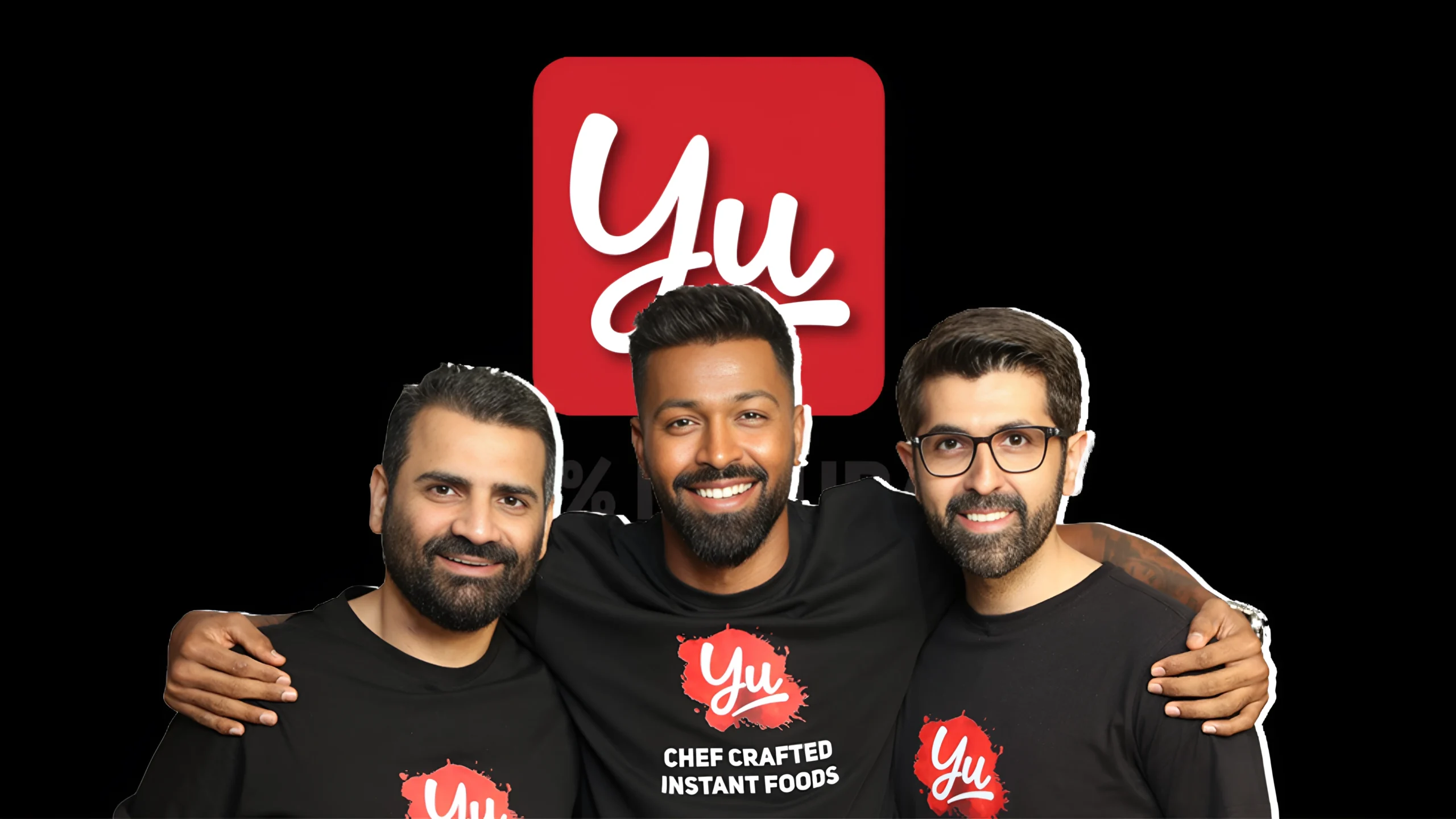
A D2C Food Brand Scaling Rapidly
India’s D2C food startup ecosystem is heating up, and one brand making strong progress is Yu Foods.
In FY26, the company reported a remarkable milestone—its revenue more than doubled to ₹75 crore, compared to ₹35 crore in the previous fiscal year.
This 114% growth reflects not just increasing demand, but also a well-executed strategy focused on scaling efficiently within existing markets.
Growth Without Expansion: A Smart Strategy
Interestingly, Yu Foods did not rely on aggressive geographic expansion to achieve this growth.
Instead, the company focused on:
- Increasing sales within existing markets
- Strengthening distribution channels
- Maximizing performance of existing products
This approach highlights a key lesson for startups:
👉 Scaling depth can sometimes be more effective than scaling breadth.
Quick Commerce: The Biggest Growth Driver
One of the biggest contributors to Yu Foods’ success has been the rise of quick commerce platforms.
Platforms like:
- Blinkit
- Zepto
have emerged as primary sales channels, driving a significant portion of the brand’s revenue.
This reflects a broader trend where consumers increasingly prefer:
- Instant delivery
- Ready-to-eat meals
- Convenience-driven purchases
Product-Led Growth, Not New Launches
Unlike many startups that depend heavily on launching new products, Yu Foods achieved its growth through existing bestsellers.
Popular items include:
- Whole wheat noodles
- Korean ramen
- Ready-to-drink beverages
This indicates strong product-market fit and customer loyalty.
Financial Snapshot: Growth with Controlled Losses
While revenue surged, profitability remains a work in progress.
📊 Key Financial Highlights:
- Revenue: ₹75 Cr (FY26)
- Net Loss: ₹8 Cr (slightly up from ₹7.7 Cr)
- EBITDA Margin: Improved to around -4%
Despite continued investment in expansion, the company has managed to keep losses relatively stable while improving operational efficiency.
Founders’ Background & Vision
Founded in 2021 by Bharat Bhalla and Varun Kapur, both former investment bankers, the company has built a strong foundation in the ready-to-eat meals segment.
Their strategy reflects a deep understanding of:
- Consumer behavior
- Distribution dynamics
- Unit economics
Marketing Strategy: Performance + Organic Mix
Yu Foods follows a balanced marketing approach:
- ~40% sales from performance marketing
- Remaining from organic growth
- Marketing spend: ~10–12% of revenue
Interestingly, mature products require less marketing spend, improving overall efficiency over time.
Scaling Infrastructure to Meet Demand
To support rising demand, the company has expanded its operational capabilities.
⚙️ Infrastructure Highlights:
- 50,000 sq ft manufacturing facility
- Partnerships with 3 beverage bottling plants
This ensures the brand can scale production without compromising quality.
Funding & Future Plans
Yu Foods has raised around $12 million in equity funding from investors including:
- Asian Paints promoter group
- Startup India Seed Fund
- Hardik Pandya
In 2026, the company also raised $3 million in debt funding.
Looking ahead:
- Plans to raise $5 million equity in FY27
- Expand into new product categories gradually
- Continue focusing on quick commerce as the main growth driver
Market Position & Expansion Challenges
Currently, Yu Foods operates mainly in:
- North India
- Parts of South India
It has limited presence in:
- Western India
- Eastern India
Instead of rapid expansion, the company is prioritizing market penetration and profitability before entering new regions.
What This Means for the D2C Ecosystem
Yu Foods’ growth story reflects larger trends in India’s D2C space:
📊 Key Takeaways:
- Quick commerce is becoming a dominant channel
- Strong products matter more than frequent launches
- Controlled scaling can lead to sustainable growth
- Profitability is still a challenge but improving
Final Thoughts
Yu Foods’ journey to ₹75 crore revenue in FY26 is a strong example of focused execution and product-led growth.
By leveraging quick commerce, optimizing existing products, and maintaining disciplined expansion, the startup is building a scalable and sustainable business.
If it continues on this path, Yu Foods could emerge as a major player in India’s ready-to-eat food segment.