





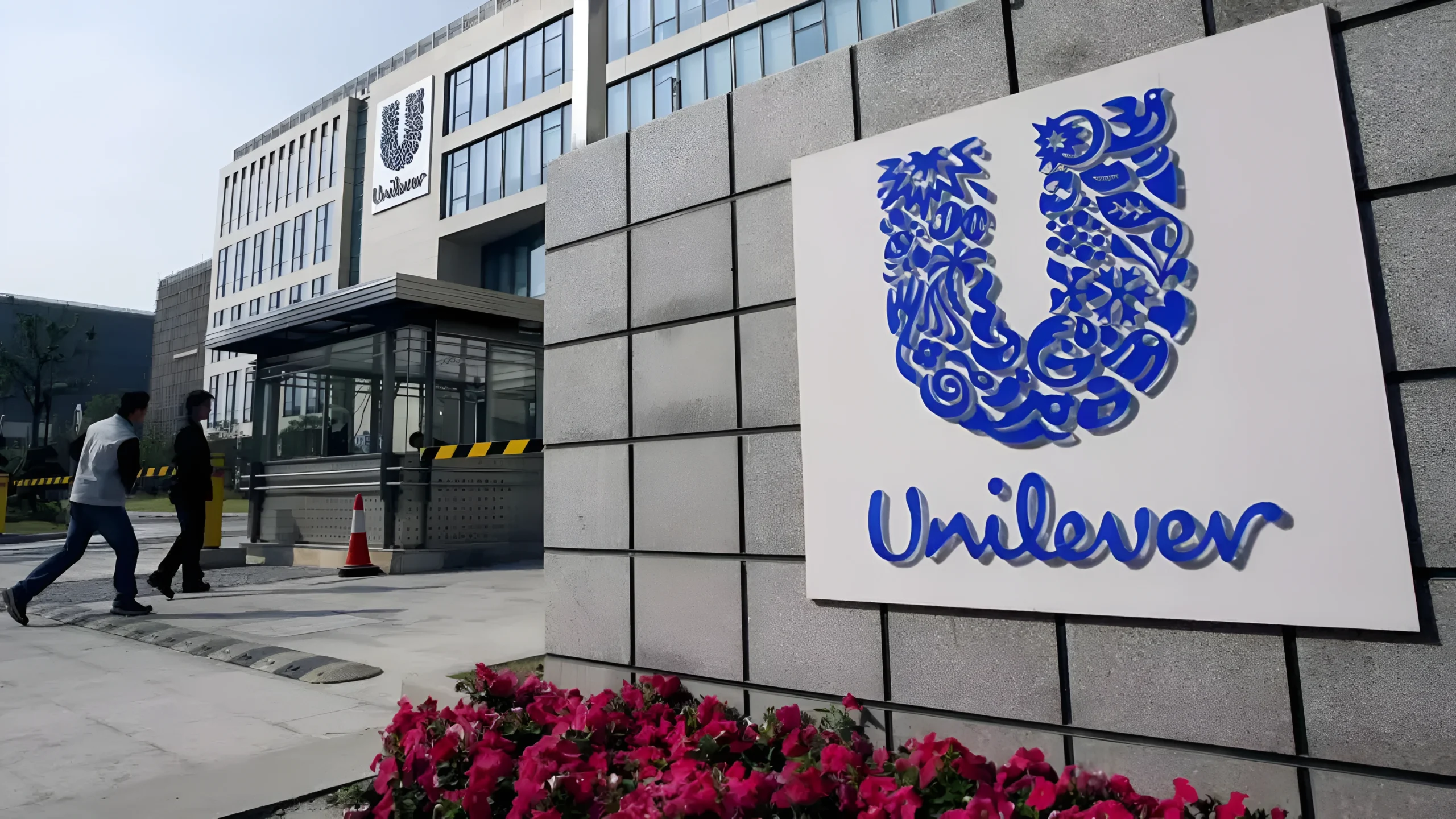
A Strategic Shift in Consumer Goods
Global FMCG giant Unilever is reportedly planning a $16 billion merger of its food business with spice leader McCormick & Company.
This move reflects a larger transformation happening across the consumer staples industry, where traditional growth strategies are no longer delivering the same results.
The End of the Old Growth Model
For decades, large consumer goods companies relied on:
- Mass production
- Wide distribution networks
- Strong brand recall
- Price increases to drive revenue
However, this model is now weakening due to:
⚠️ Key Challenges:
- Post-pandemic pricing power is fading
- Slowing growth in major markets like China
- Rising competition from D2C and niche brands
- Changing consumer preferences
Why Unilever’s Move Matters
The potential merger signals a shift from scale to specialization.
🎯 Strategic Intent:
- Focus on high-margin, high-demand categories
- Build stronger brand relevance
- Streamline operations for efficiency
- Unlock shareholder value
By combining with McCormick, Unilever aims to strengthen its position in the food and flavor segment, which remains resilient and innovation-driven.
Industry Insight: Size Is No Longer Enough
According to Ernst & Young, the consumer goods industry is undergoing a major shift:
👉 Success is no longer defined by size alone
👉 Companies must stay relevant to both consumers and capital markets
This means:
- Faster innovation cycles
- Personalized product offerings
- Strong digital and direct-to-consumer presence
Rise of New-Age Consumer Brands
Traditional FMCG giants are facing intense competition from:
- D2C startups
- Digital-first brands
- Niche, premium product companies
These brands are:
- More agile
- Closer to customer needs
- Better at storytelling and branding
What This Means for the Market
🔍 Key Implications:
- More mergers and acquisitions (M&A) in FMCG
- Portfolio restructuring by large corporations
- Increased focus on profitable segments over scale
- Higher importance of brand differentiation
Impact on Indian Market & Startups
India, being a fast-growing consumer market, will likely see:
- More global investments in niche segments
- Opportunities for D2C startups to scale
- Increased competition in premium categories
- Potential acquisition opportunities for Indian brands
Future of Consumer Staples Industry
The future of the industry will depend on:
- Consumer-centric innovation
- Speed to market
- Digital transformation
- Strategic partnerships and consolidation
Conclusion
Unilever’s $16 billion strategic move is not just a deal—it’s a clear signal that the consumer goods industry is evolving rapidly.
In this new era, relevance, agility, and innovation will matter more than sheer size, reshaping how global brands compete and grow.