




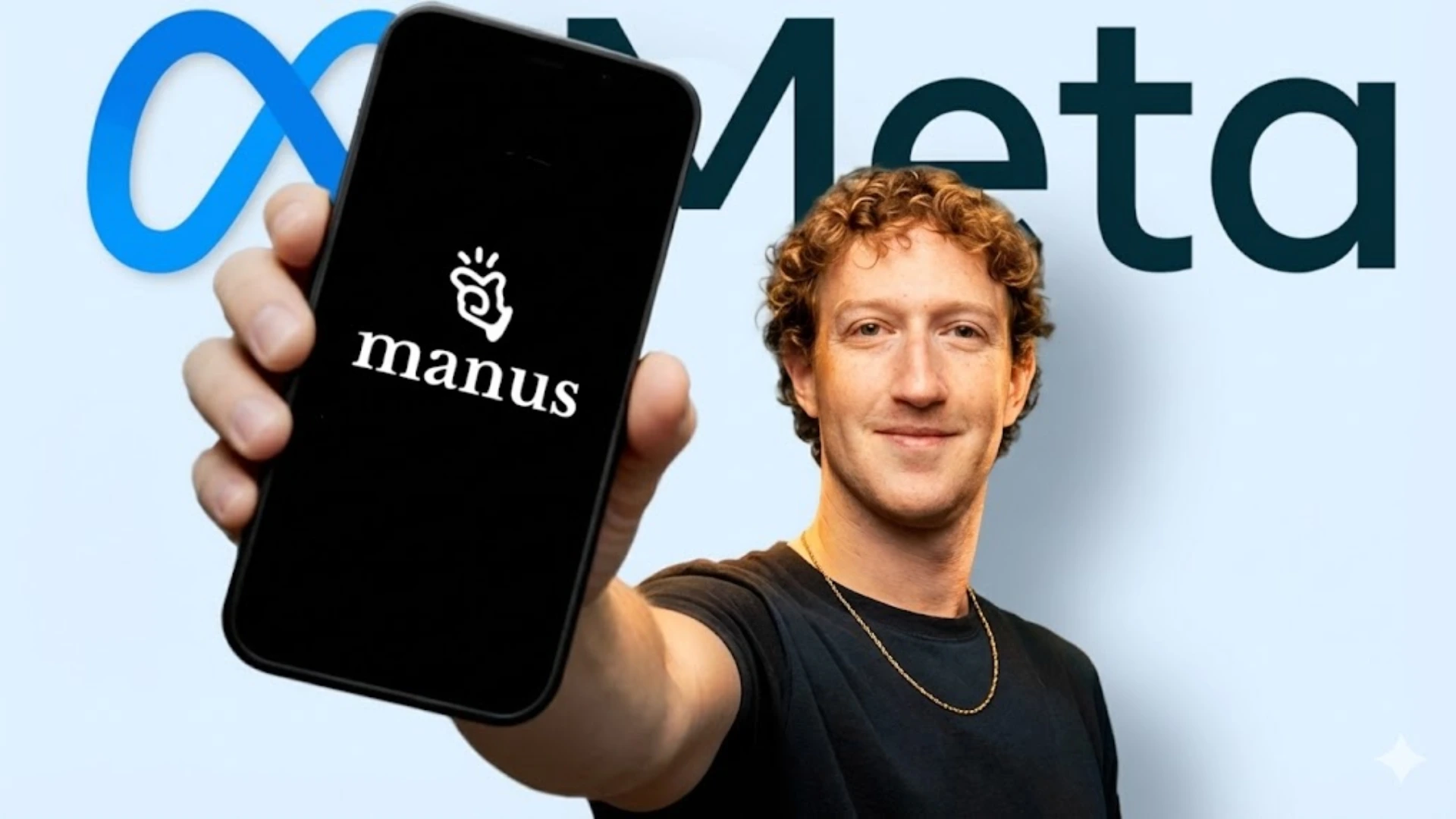
The global tech ecosystem is witnessing fresh uncertainty after China’s sudden intervention in Meta’s $2 billion acquisition of Manus, a Singapore-based AI startup with Chinese roots.
The move has raised serious concerns among startup founders and venture capitalists, especially those using offshore structures to scale globally.
What Happened: Meta’s Manus Deal Under Scrutiny
Tech circles across Silicon Valley and China were initially excited when Meta acquired Manus.
👉 The deal was seen as:
- A validation of global AI startup opportunities
- A breakthrough for cross-border investments
- A success story for Asian AI startups
However, that optimism was short-lived.
China’s Surprise Intervention
Chinese authorities quickly stepped in and began reviewing the deal.
Key actions taken:
- Investigation into technology export violations
- Scrutiny of offshore restructuring
- Travel restrictions on Manus co-founders
👉 This signals tighter control over AI technology and capital movement.
What Is “Singapore Washing”?
The Manus deal highlighted a growing trend known as “Singapore washing”.
What it means:
- Startups relocate headquarters to Singapore
- Maintain operations or R&D in China
- Access global funding while avoiding restrictions
👉 This model helped startups:
- Raise capital from US investors
- Expand internationally
- Avoid regulatory barriers
But now, this strategy is under threat.
Why China Is Concerned
China views this model as a potential risk because:
- Core technology is developed domestically
- Assets are later shifted overseas
- Strategic AI capabilities may leave the country
👉 Authorities see it as a “red flag” for national security and tech control.
Impact on Founders and VCs
The crackdown has created uncertainty across the startup ecosystem.
Major concerns:
- Regulatory unpredictability
- Restrictions on global expansion
- Increased compliance risks
A Silicon Valley investor noted:
👉 “Startups will avoid this route going forward.”
Shift in Startup Strategy
Due to rising geopolitical tensions, founders are rethinking their approach.
New trend:
- Building companies outside China from day one
- Avoiding mid-stage relocation
- Seeking early access to global capital
👉 This shift is being referred to as “China shedding”.
US-China AI Rivalry Intensifies
The Manus case comes amid growing competition between:
- United States
- China
Key battlegrounds:
- AI technology
- Talent movement
- Investment flows
👉 The competition is no longer just about chips—it’s about control over innovation ecosystems.
Why This Matters for Global Tech
This development could reshape how startups operate globally.
Key implications:
- Cross-border deals may face stricter scrutiny
- AI startups will need clearer regulatory strategies
- Investors may rethink funding structures
👉 The era of easy global expansion is becoming more complex.
Conclusion
China’s intervention in Meta’s Manus deal marks a turning point in the global AI startup ecosystem.
What once seemed like a smart workaround—“Singapore washing”—is now under pressure, forcing founders and investors to rethink their strategies.
As geopolitical tensions rise, startups will need to balance innovation, compliance, and global ambition more carefully than ever.